Oil & Gas Services
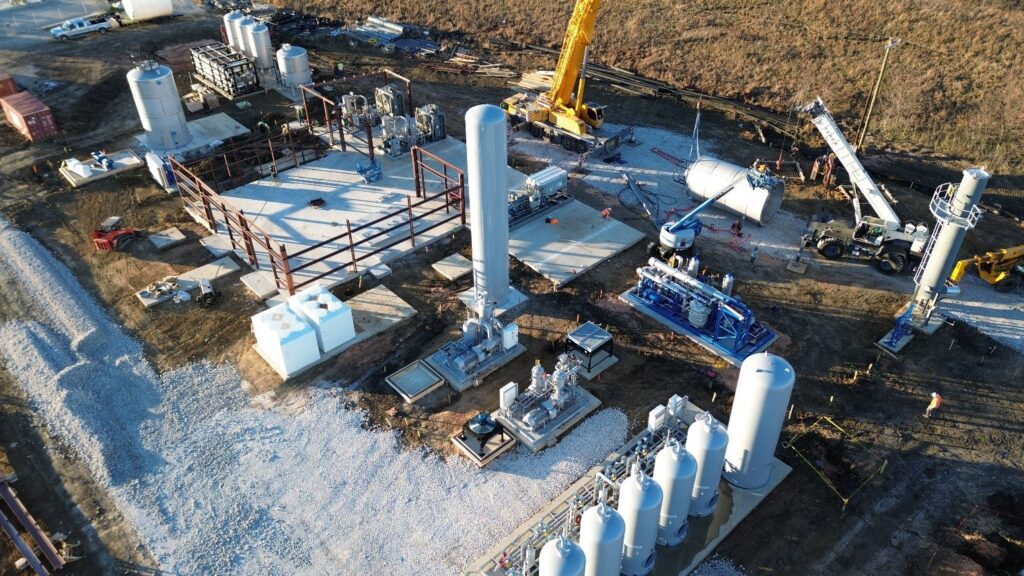
Drilling and completions crews on active well sites rely on steady fuel to keep critical equipment running smoothly and efficiently. Using diesel as a fuel source can add complexity when deliveries are delayed, storage is limited, or truck traffic affects site coordination. Since 2014, Nacelle has helped oil and gas teams reduce diesel dependency by conditioning field-sourced natural gas and distributing it safely on location.
Common Challenges in the Petroleum Exploration and Production Industry
Field gas is natural gas produced or available near the well site that can be used as fuel after proper conditioning and distribution. If gas composition is not evaluated before deployment, fuel quality issues can damage equipment, pose safety concerns for crews, or interrupt work on-site. Crews can also lose time when conditioning equipment is not configured for the site or when field support is unavailable during operations.
How Nacelle’s Oil and Gas Field Support Services Can Help
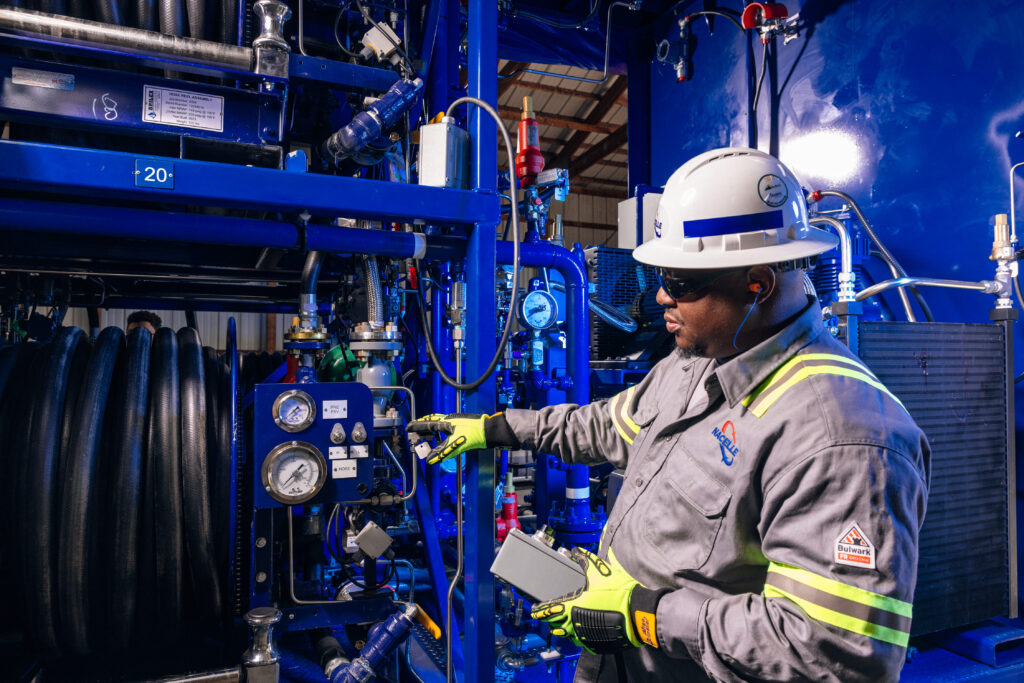
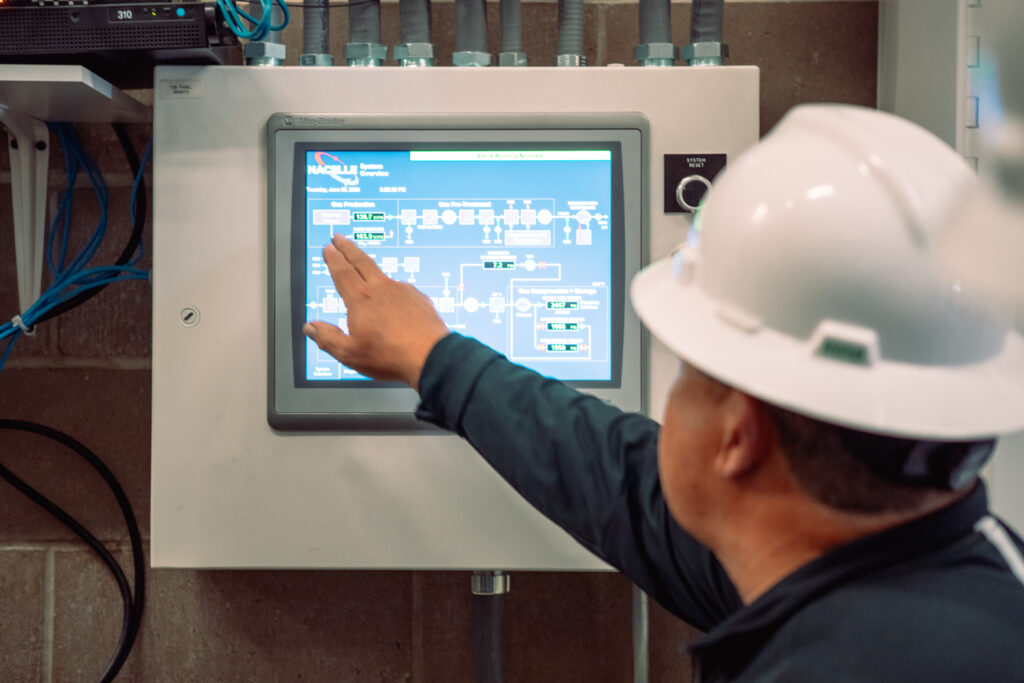
As a trusted oil field services company, Nacelle supports oil-to-gas conversion efforts on active well sites by helping crews replace diesel with properly conditioned, distributed, and monitored field-sourced natural gas. Our team evaluates gas composition and site conditions before deployment, then monitors system performance during operations to quickly address fuel quality or equipment issues.
Completions Fueling
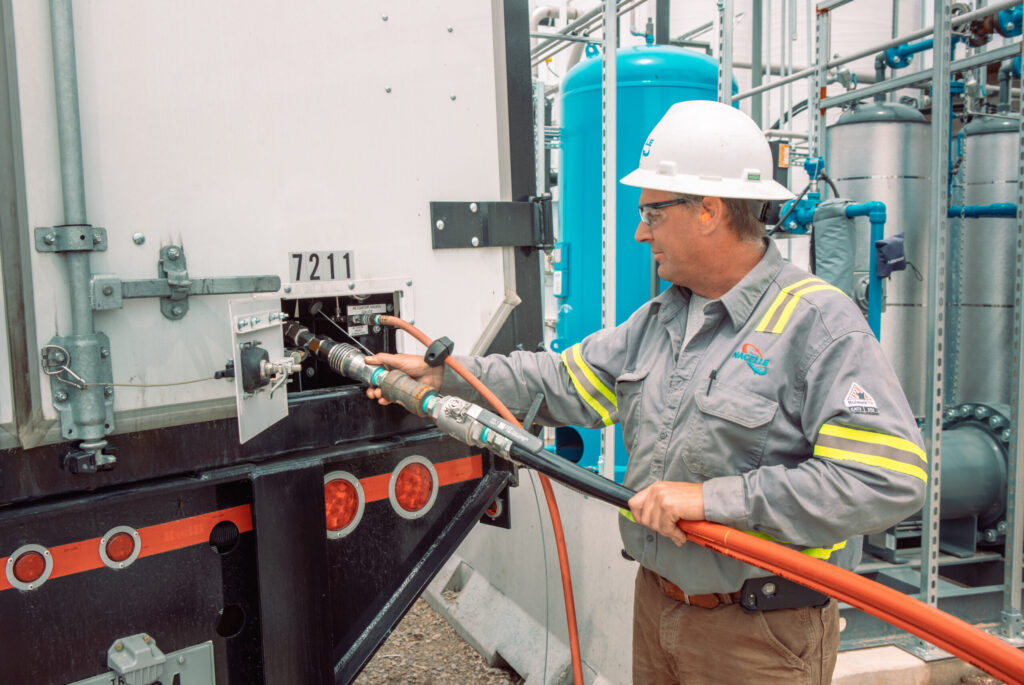
After a well is drilled, completions crews prepare it for production through hydraulic fracturing, flowback setup, and other high-activity site work. Nacelle supports those crews with field gas conditioning and distribution systems that help maintain fuel availability on location. Our team coordinates fueling needs with site schedules and provides monitoring and field support during operations.
Completions fueling support includes:
- Field gas conditioning for completions equipment
- Gas distribution for frac operations
- Fuel coordination during high-activity work
- Monitoring and field support during operations
Drilling Rig Fueling
Drilling rigs need a steady supply of fuel during long operating windows and active rig cycles, especially at remote locations. Nacelle helps crews use field-sourced natural gas with conditioning systems, distribution planning, and monitoring tailored to the rig’s operating needs. Before mobilization, our team reviews site conditions and fuel requirements to reduce interruptions once drilling begins.
For drilling operations, Nacelle provides:
- Gas conditioning systems for drilling operations
- Gas distribution on location
- Fuel planning based on existing site conditions
- Monitoring during drilling operations
Solutions Engineering
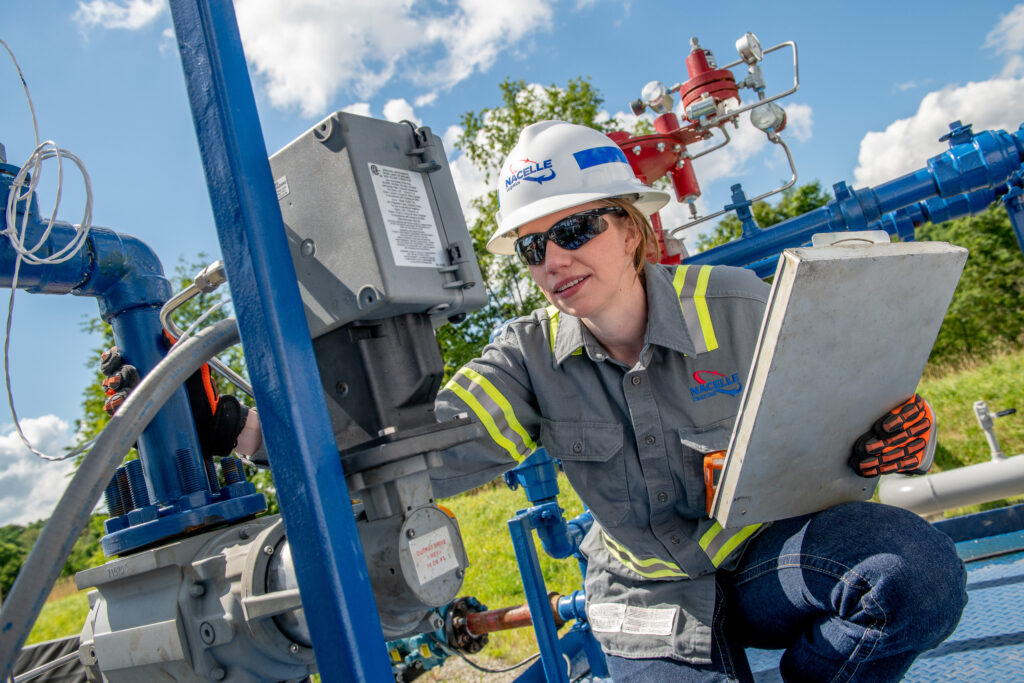
Nacelle evaluates the gas source, site layout, operating needs, and equipment requirements before crews mobilize. This comprehensive evaluation helps configure the best-suited field gas system for the job, helping reduce changes once the equipment is on location.
Before deployment, Nacelle reviews:
- Gas composition review
- Site condition assessment
- Equipment configuration recommendations
- Pre-deployment planning
- Mobilization support
Well Kickoff Compression
Nearby frac activity can increase pressure risk for wells that are already drilled but not yet producing. Nacelle’s Danny system uses gas injection to pressurize the wellbore, helping reduce the need for rig work, mechanical subsurface operations, or trucked-in nitrogen.
Well kickoff compression support includes:
- Gas injection for wellbore pressurization
- Support during the nearby completion activity
- Reduced reliance on trucked-in nitrogen
- Planning based on well conditions and service needs
Support for Drilling Contractors, Completions Teams, and Operators
Nacelle supports the teams responsible for fuel availability, field coordination, and safer operations on active well sites.
- Drilling contractors: Decrease diesel dependency, plan field gas use around rig requirements, and limit fuel delivery disruptions.
- Completions teams: Coordinate fuel availability during frac operations, support safer on-site fueling, and minimize interruptions during high-activity work.
- Operators: Lower fuel costs, reduce emissions, and support more predictable operations across multi-well pads.